Hot nozzle
Filters

Color
roll up
Density
roll up
Effect
roll up




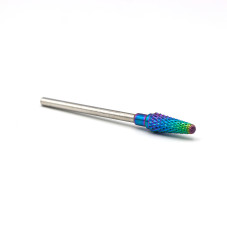



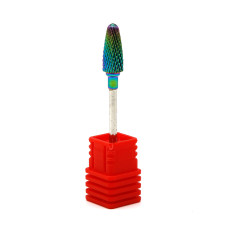





17 bought
ID: 25872

25 RON
37 bought
ID: 25873
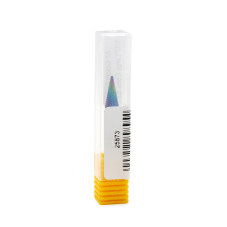
25 RON
43 bought
ID: 25871



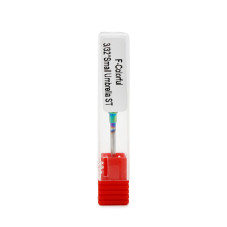
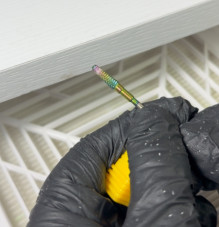

25 RON

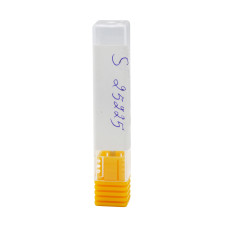
24 bought
ID: 25755


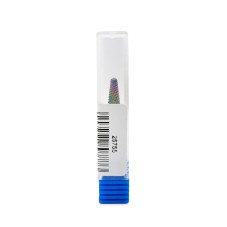
25 RON

16 bought
ID: 25875

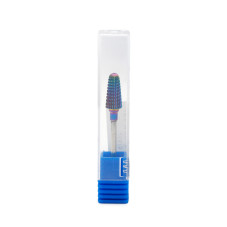

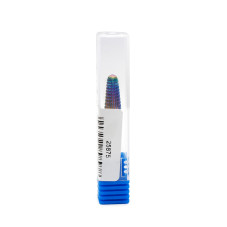
25 RON


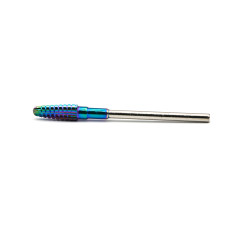

24 bought
ID: 25874
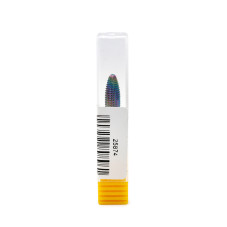
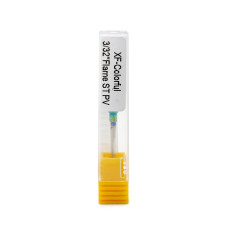
25 RON
14 bought
ID: 25754

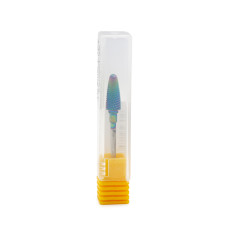

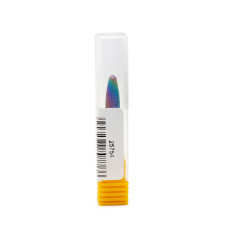
25 RON


18 bought
ID: 25752


25 RON







3403 bought
ID: 3642

40 RON
8180 bought
ID: 3678


34 RON









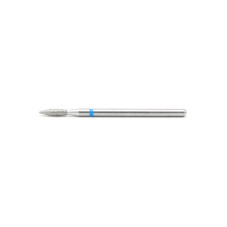
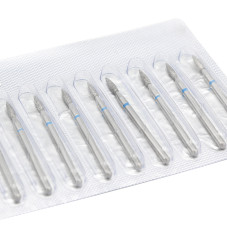
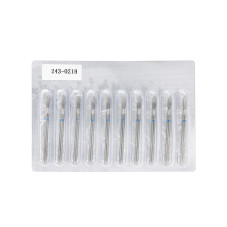
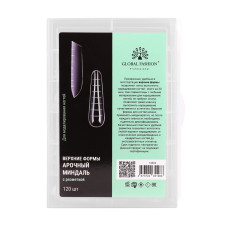









A hot nozzle is a crucial component in many modern manufacturing processes, particularly in the production of plastic products. Essentially, a hot nozzle is a heating element that is integrated into a machine to melt plastic pellets or granules, which are then shaped into a specific form.

Hot nozzles are commonly used in injection molding machines, which produce large quantities of plastic products. Plastic pellets or granules are fed into the machine, melted, and then forced through a nozzle into a mold cavity. The material then cools and solidifies, forming the final product.

One of the key advantages of using a hot nozzle is that it allows for precise control over the temperature of the plastic material as it is being shaped. This is important because different types of plastics have different melting points, and the temperature must be carefully controlled to avoid damaging the material or producing an inferior product. In addition, the use of a hot nozzle can help to reduce cycle times, as it allows for faster melting and distribution of the plastic material.

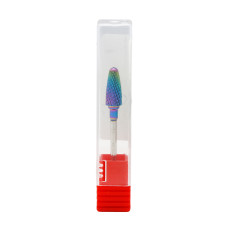
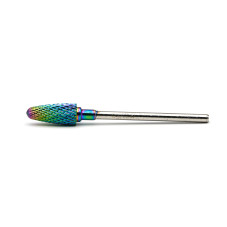
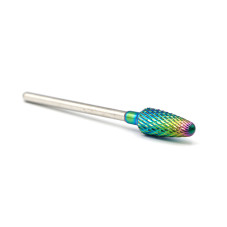
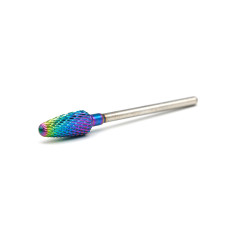
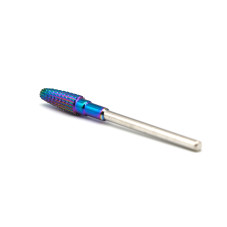
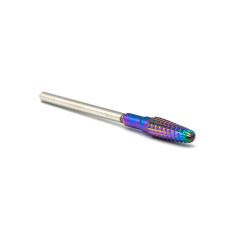
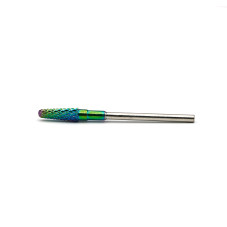
Hot nozzles come in a variety of shapes and sizes, depending on the specific requirements of the manufacturing process. For example, a nozzle for a milling cutter might have a flat or rounded end, whereas a nozzle for nail extensions might be narrower and more pointed. Technicians who work with hot nozzles must be trained to understand the different types and to use them correctly.

Overall, the use of a hot nozzle can significantly improve the efficiency and quality of a manufacturing process. By allowing for precise temperature control and faster melting times, companies can produce high-quality products more quickly and cost-effectively than ever before.